
Running Google Ads without a clear strategy is like throwing money into a well and hoping for an echo. With ad costs climbing every year and competition getting fiercer across nearly every industry, businesses can no longer afford to rely on guesswork. Whether you’re a small local business or a growing e-commerce brand, the difference between wasted ad spend and a profitable campaign almost always comes down to strategy.
This guide breaks down practical, proven Google Ads strategies you can start applying today — no fluff, just what works.
1. Start With Crystal-Clear Campaign Goals
Before you write a single ad, define what success looks like. Are you chasing leads, direct sales, app installs, or brand visibility? Each goal demands a different campaign structure, bidding strategy, and even keyword approach. A campaign built for brand awareness (impressions, reach) looks completely different from one built for conversions (cost-per-acquisition, ROAS). Skipping this step is the number one reason campaigns underperform.
2. Get Serious About Keyword Research
Keyword research isn’t a one-time task — it’s an ongoing process. Use tools like Google Keyword Planner, Ubersuggest, or SEMrush to identify:
High-intent keywords — terms that signal someone is ready to buy or convert
Long-tail keywords — lower competition, higher relevance, often cheaper clicks
Negative keywords — terms you don’t want to trigger your ads, saving budget from irrelevant clicks
A well-maintained negative keyword list can quietly save you thousands in wasted spend over a few months.
3. Structure Campaigns With Tight Ad Groups
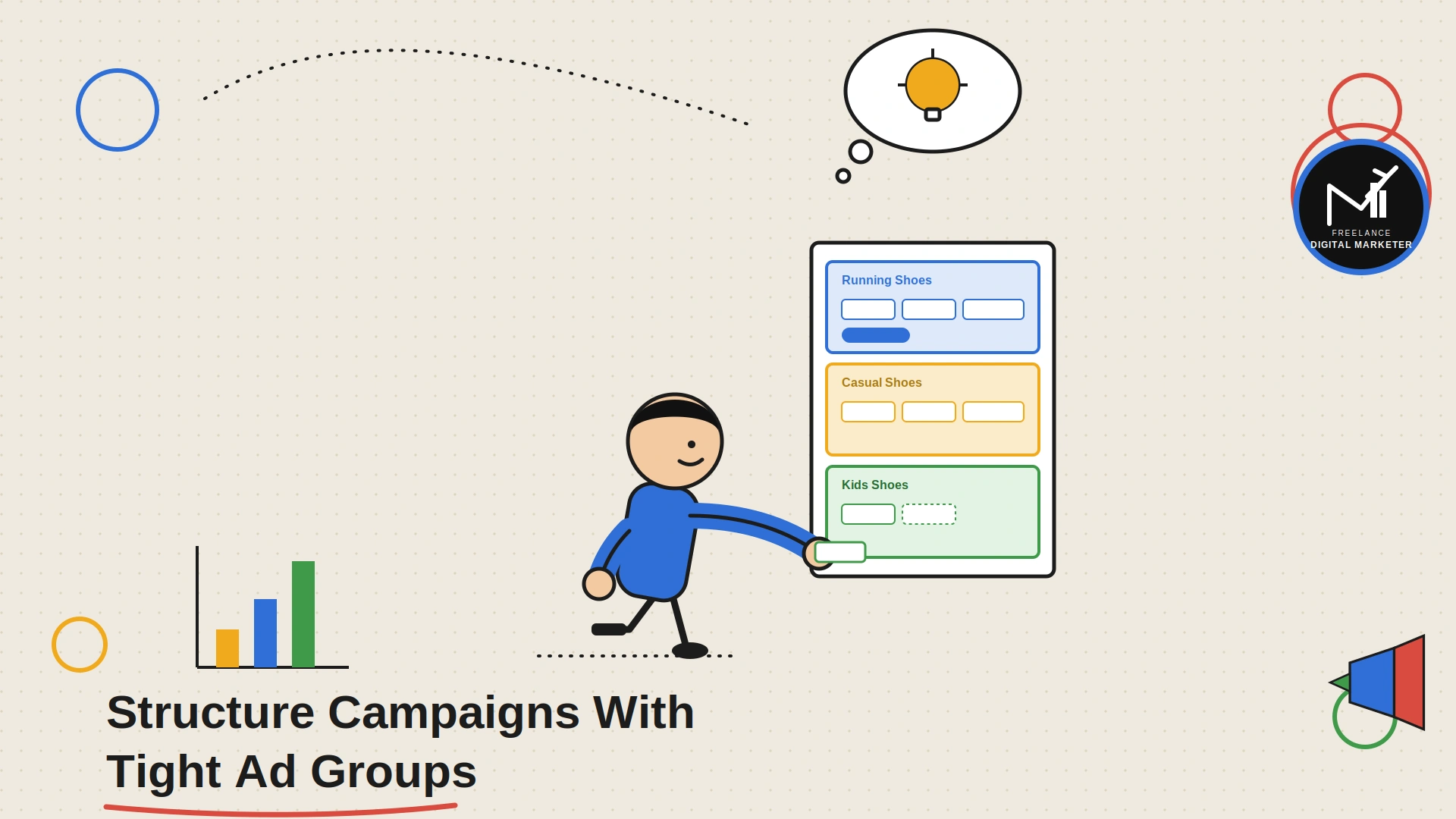
Broad, messy ad groups dilute your Quality Score and relevance. Instead, group keywords tightly by theme or intent, and write ad copy that speaks directly to that group. Tighter ad groups mean more relevant ads, which typically lowers your cost-per-click and improves your ad rank.
4. Write Ad Copy That Solves a Problem, Not Just Sells a Product
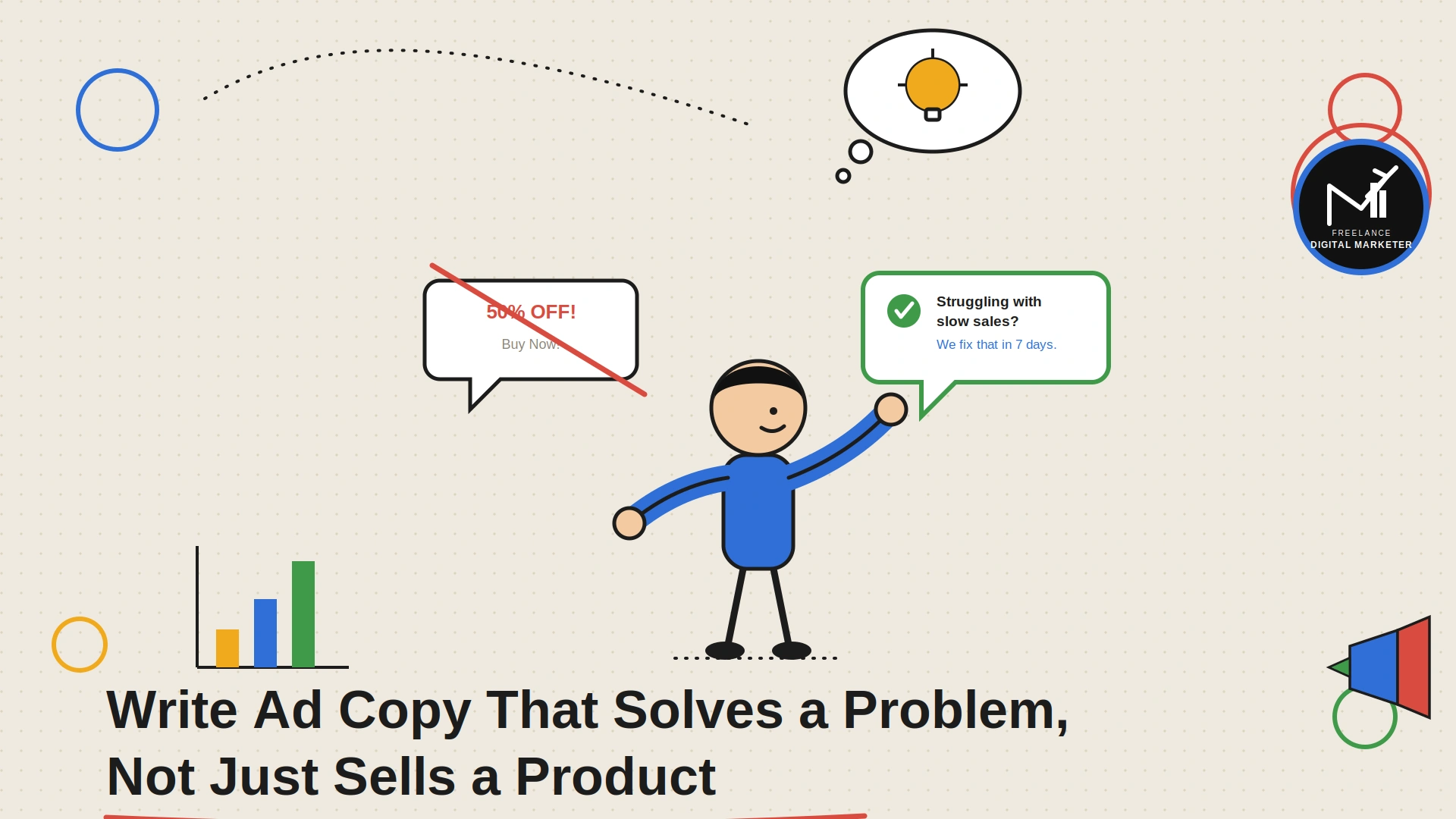
The best-performing ads speak to a pain point before pitching a solution. Instead of simply listing features, highlight the outcome the customer actually wants. Use strong calls-to-action, include numbers or specifics where possible (discounts, timeframes, guarantees), and always test at least two to three ad variations per ad group to see what resonates.
5. Leverage Ad Extensions
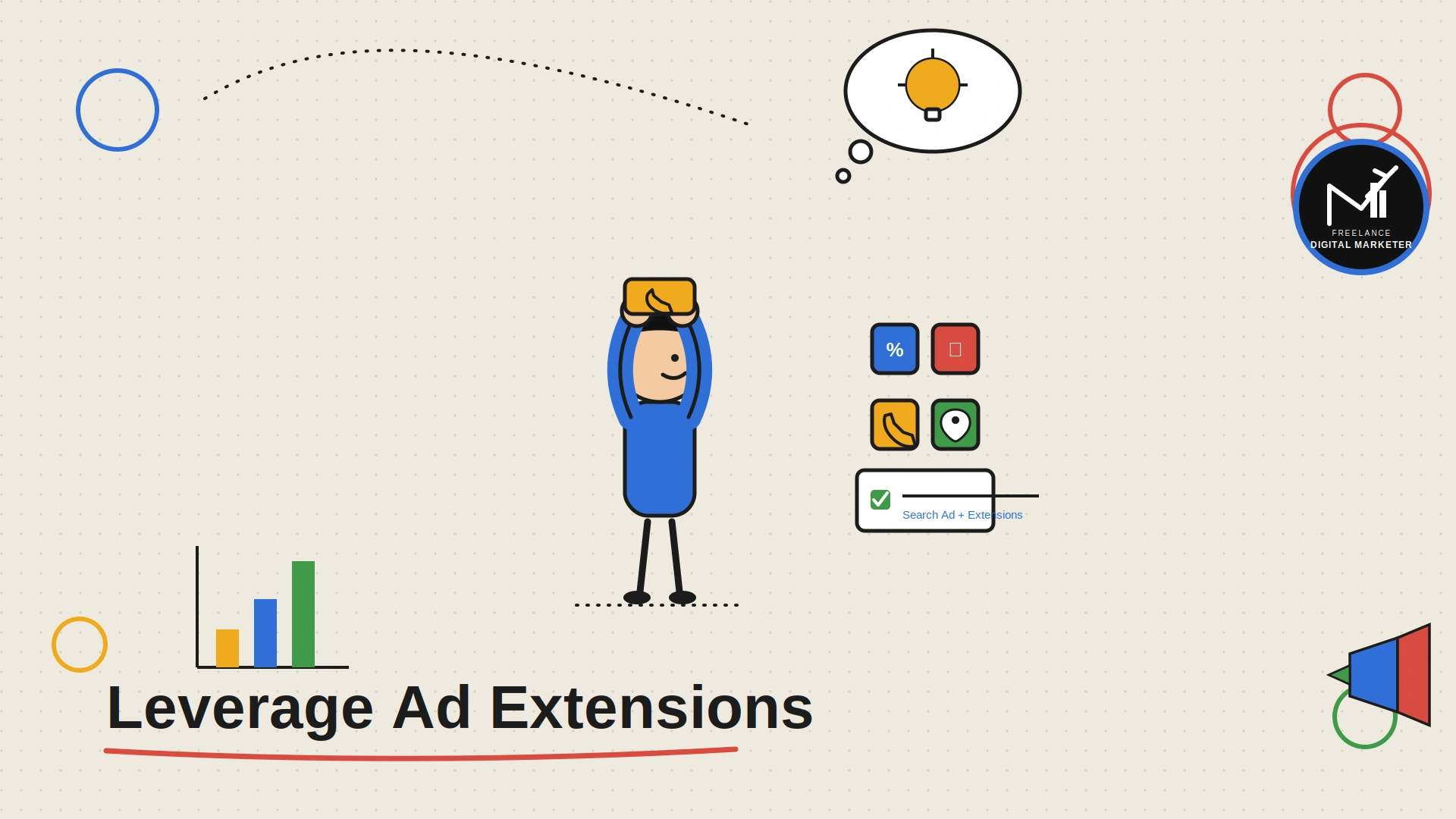
Ad extensions are one of the most underused free tools in Google Ads, yet they’re a core part of any solid set of Google Ads strategies. Sitelinks, callouts, structured snippets, and location extensions all increase your ad’s real estate on the results page and improve click-through rates — all without costing you a single extra rupee in bidding.
If you’re not using at least four types of extensions, you’re leaving performance on the table. Sitelinks let you highlight specific pages like offers, categories, or contact details, giving searchers more reasons to click through. Callouts add short, punchy trust signals — free shipping, 24/7 support, certified experts — that build credibility right within the ad itself. Structured snippets showcase specific attributes of your product or service, such as brands, models, or service types, helping searchers self-qualify before they even land on your site. Location extensions, meanwhile, are especially valuable for local businesses, since they display your address and distance directly in the ad, making it easier for nearby customers to find and choose you over competitors.
What makes extensions such a valuable piece of any set of Google Ads strategies is that Google’s algorithm often rewards larger, more informative ads with better ad rank and, in many cases, a lower cost-per-click — meaning you get more visibility for the same or even reduced spend. Ignoring extensions is essentially leaving free real estate and free performance gains untouched.
For anyone serious about scaling their account, layering in the right mix of ad extensions should be one of the first optimizations applied — right alongside tighter ad group structuring and smarter bidding. Treating extensions as a core layer of your Google Ads strategies, rather than an afterthought, is a simple, low-effort way to consistently boost click-through rates and lower your overall acquisition costs.
6. Choose the Right Bidding Strategy for Your Stage
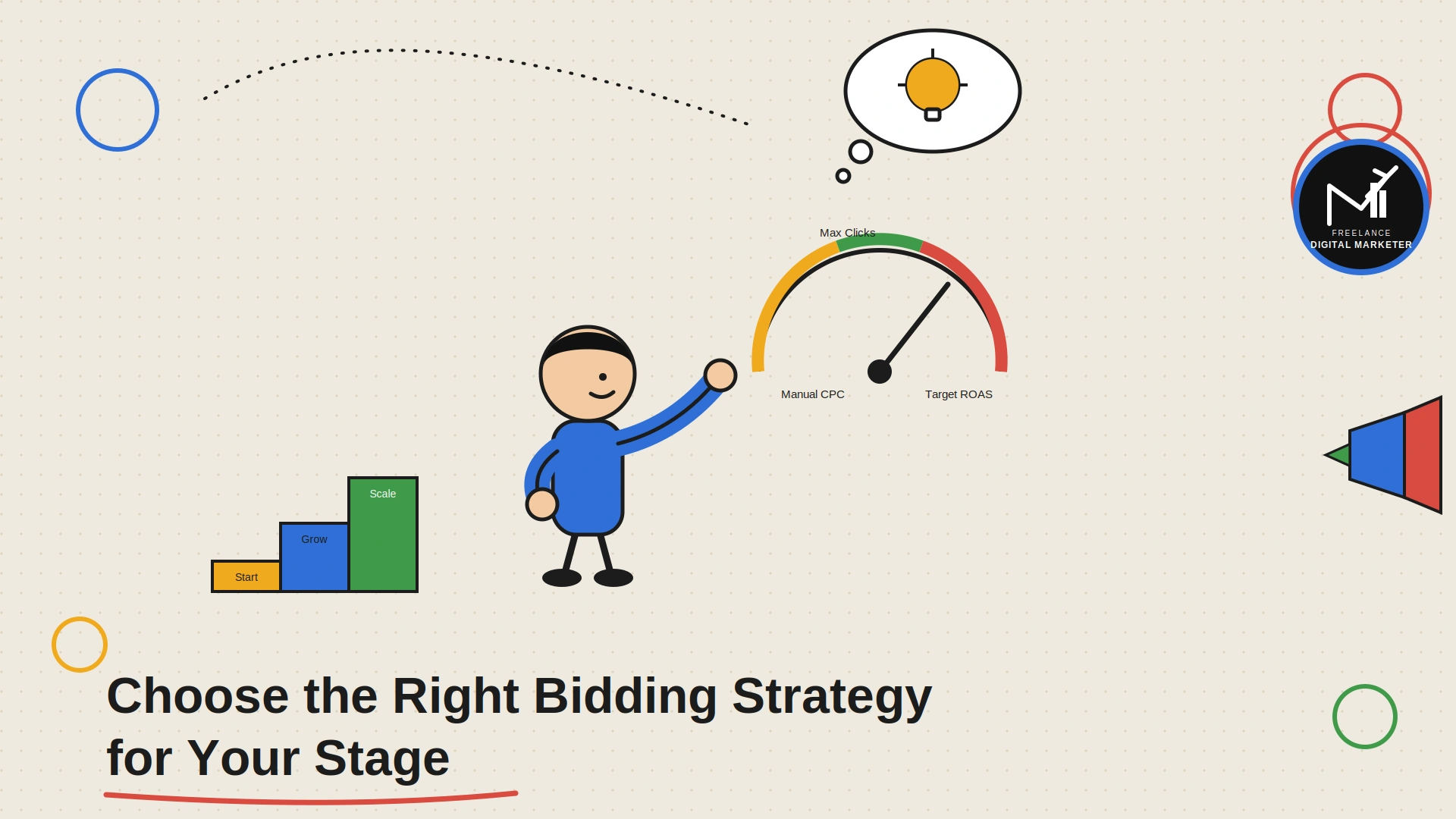
Manual bidding gives control but demands constant attention, which is why choosing the right bidding approach is one of the more nuanced parts of any set of Google Ads strategies. Automated strategies like Target CPA, Target ROAS, or Maximize Conversions work well once you have enough conversion data feeding the algorithm — typically after 20-30 conversions per month. Below that threshold, Google’s machine learning simply doesn’t have enough signal to make confident, reliable bidding decisions.
Early-stage campaigns often benefit from manual or enhanced CPC bidding until there’s enough data for automation to make smart decisions. Trying to switch to fully automated bidding too early is a common mistake in otherwise well-planned Google Ads strategies, since the algorithm ends up “guessing” during the learning phase, which can lead to unstable performance, wasted spend, or unpredictable cost swings.
Once you do have sufficient conversion volume, automated bidding tends to outperform manual adjustments simply because it can react to auction-time signals — like device, location, time of day, and user behavior — far faster than any human managing bids by hand. The key with any of these Google Ads strategies is matching the bidding approach to your account’s actual data maturity rather than jumping to automation just because it’s the newer or more hands-off option.
7. Optimize Landing Pages, Not Just Ads
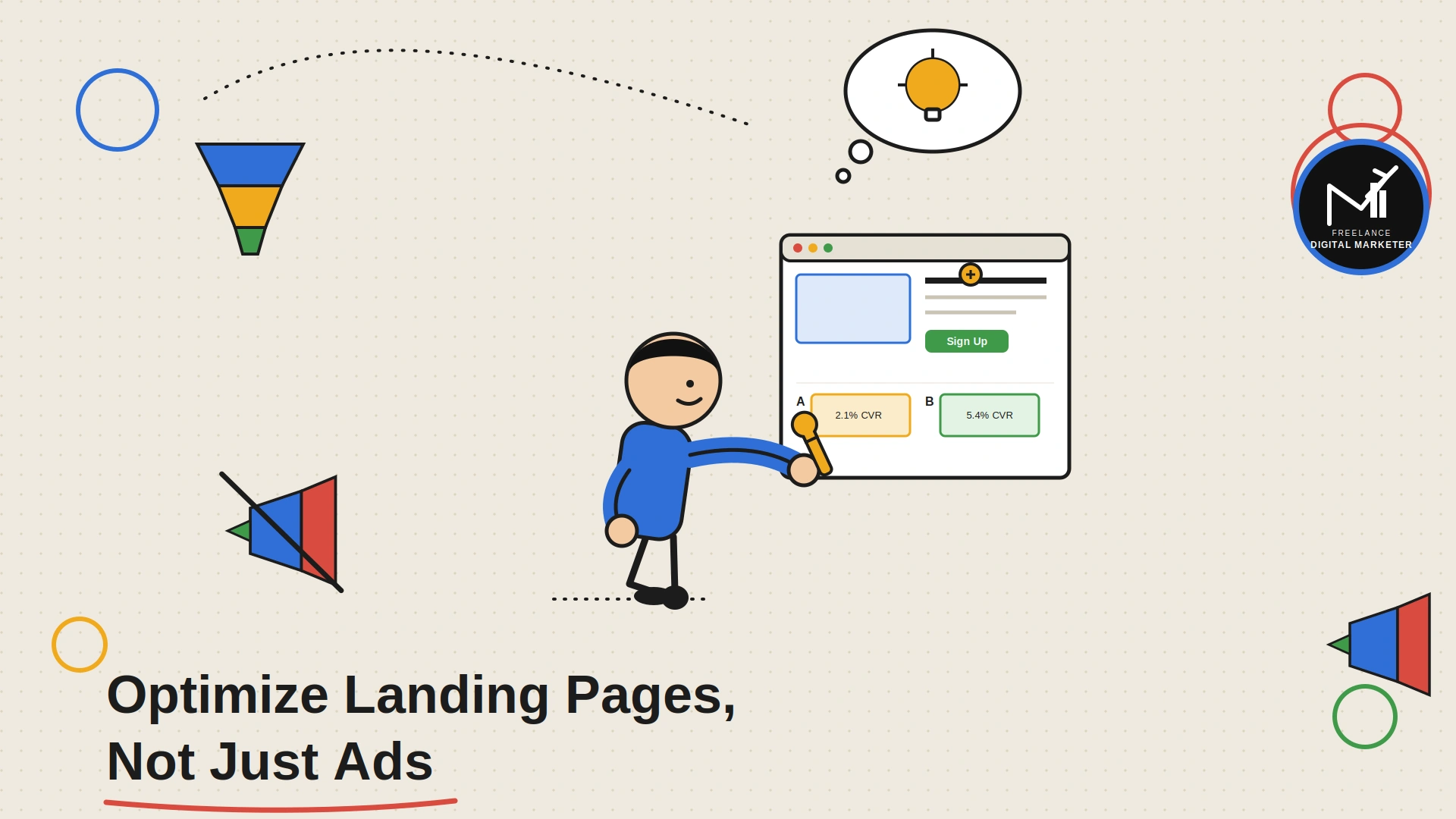
A great ad sending traffic to a mismatched or slow landing page is money wasted, no matter how well-crafted the rest of your Google Ads strategies might be. Make sure your landing page:
Matches the ad’s message and keyword intent
Loads in under 3 seconds
Has a single, clear call-to-action
Is mobile-friendly (most search traffic today is mobile)
Message match is often the most overlooked piece here. If your ad promises a specific offer or product and the landing page doesn’t immediately reflect that same message, visitors bounce within seconds — no matter how relevant or well-targeted the ad was. A slow-loading page compounds this problem further, since even a one- or two-second delay can noticeably increase bounce rates and quietly drain the budget behind otherwise solid Google Ads strategies.
A single, focused call-to-action also matters more than most advertisers realize. Pages that offer visitors five different things to click on typically convert worse than pages built around one clear next step, simply because choice overload slows decision-making and gives visitors more chances to leave without converting.
Google also factors landing page experience into your Quality Score, so this isn’t just a conversion issue — it directly affects your ad costs. A poor landing page experience can quietly inflate your CPCs even when everything else about your account is well-optimized, which is exactly why landing page quality deserves the same ongoing attention as any other part of your Google Ads strategies.
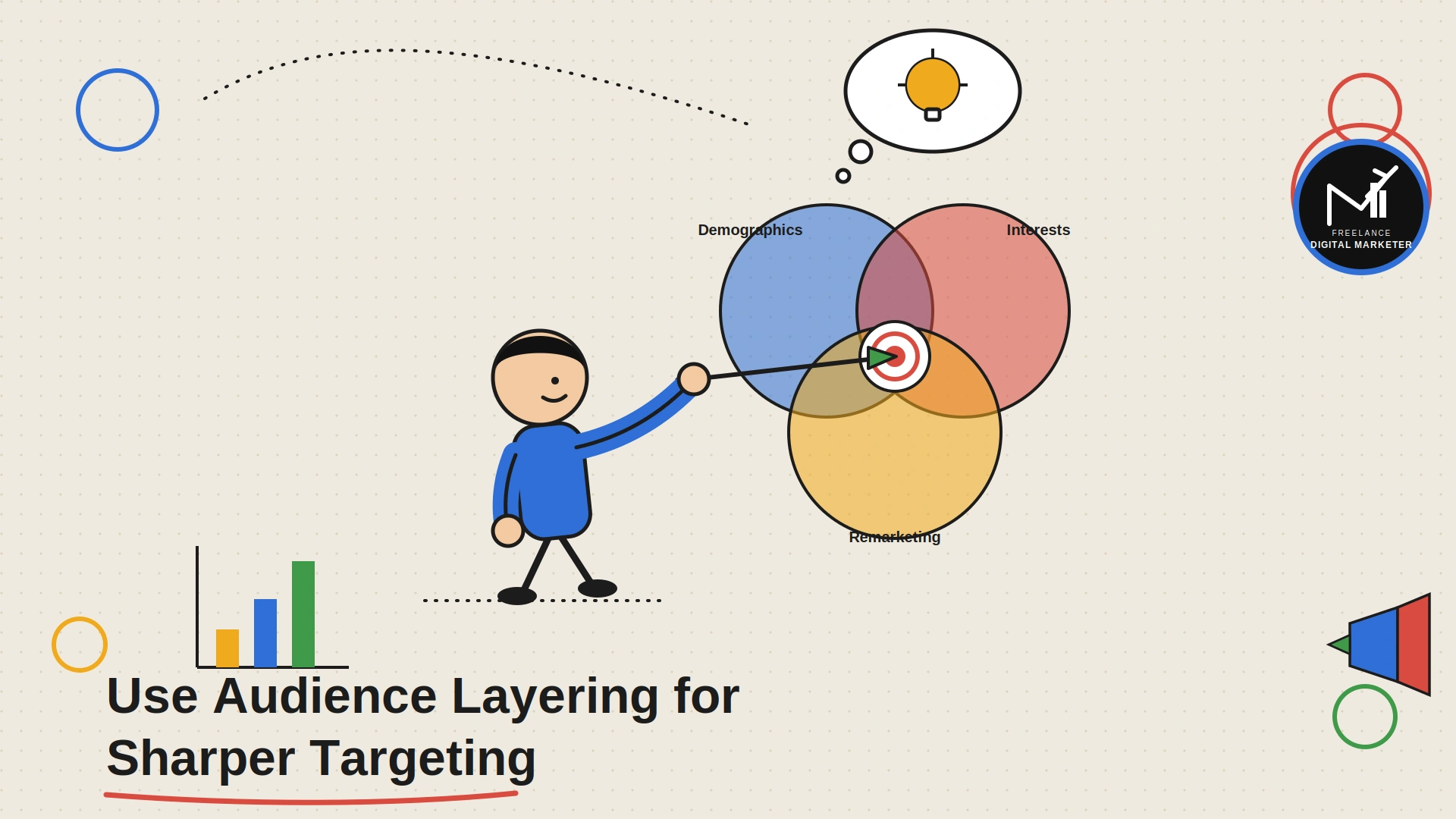
8. Use Audience Layering for Sharper Targeting
Combine keyword targeting with audience signals like remarketing lists, in-market audiences, or customer match lists — this is one of the more advanced Google Ads strategies for getting more out of an existing budget. Layering audiences on top of keywords lets you bid more aggressively on high-value segments, such as past visitors or existing customers, while still staying competitive on colder, unfamiliar traffic.
This approach works because not every click is worth the same amount. A search-driven click from someone who already visited your site or purchased before typically converts at a much higher rate than a first-time visitor, so adjusting bids based on audience signals lets your budget flow toward the clicks most likely to pay off. Among all the Google Ads strategies available, audience layering is one of the most effective ways to squeeze more performance out of the same spend without needing to increase your budget at all.
Customer match lists in particular are worth prioritizing if you have a decent-sized email list, since they let you target or exclude people based on real purchase or engagement history — making this one of the more underused Google Ads strategies for advertisers who already have first-party data sitting unused.
9. Test Relentlessly — Then Test Again
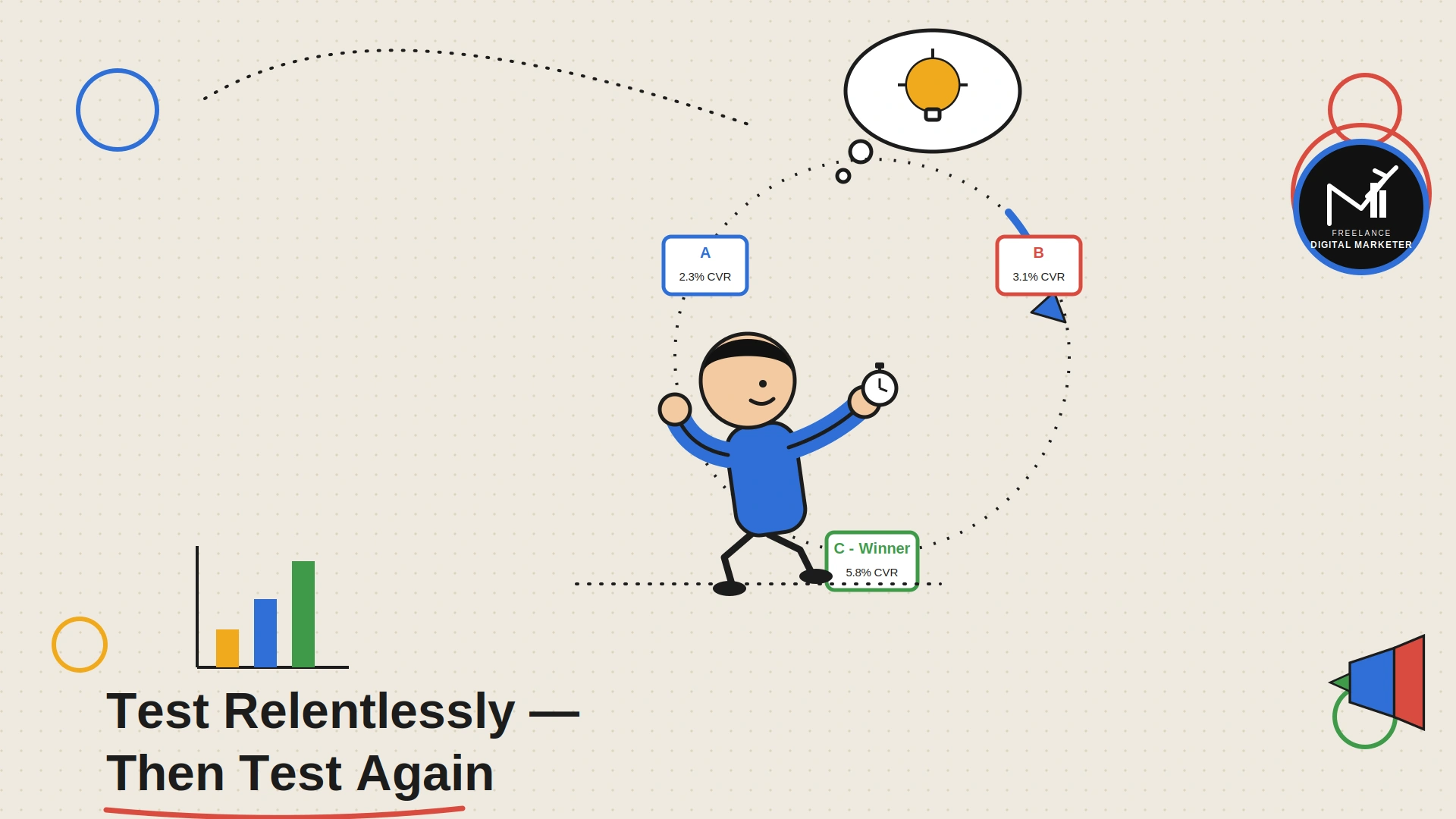
Google Ads rewards constant experimentation, and testing is one of the most important Google Ads strategies any advertiser can build into their routine. A/B test your headlines, descriptions, and images — especially for Performance Max and Display campaigns, where creative variety plays a much bigger role in performance than many advertisers realize. Even small wording tweaks in a headline or a different lifestyle image in a Display ad can shift click-through rates and conversion rates more than expected.
Landing pages deserve just as much testing attention as the ads themselves. A high-performing ad paired with a weak or slow landing page will still underperform, so running structured tests on headlines, calls-to-action, form length, and page layout should be treated as a core part of any serious set of Google Ads strategies rather than a one-time task.
Set a regular cadence — weekly or biweekly — to review performance data closely. Look beyond surface-level numbers like impressions or clicks and dig into conversion rate, cost per conversion, and return on ad spend for each variant. Kill underperforming elements quickly rather than letting them drain your budget; a headline or creative that isn’t pulling its weight after a reasonable sample size is costing you money every day it stays live.
This discipline of scheduled review and quick iteration is what separates advertisers who treat Google Ads as a “set and forget” channel from those who actively compound results over time. Building this testing rhythm into your broader Google Ads strategies ensures your account keeps improving month over month, instead of stagnating on assumptions made when the campaign first launched.
10. Track the Right Metrics, Not Just Clicks
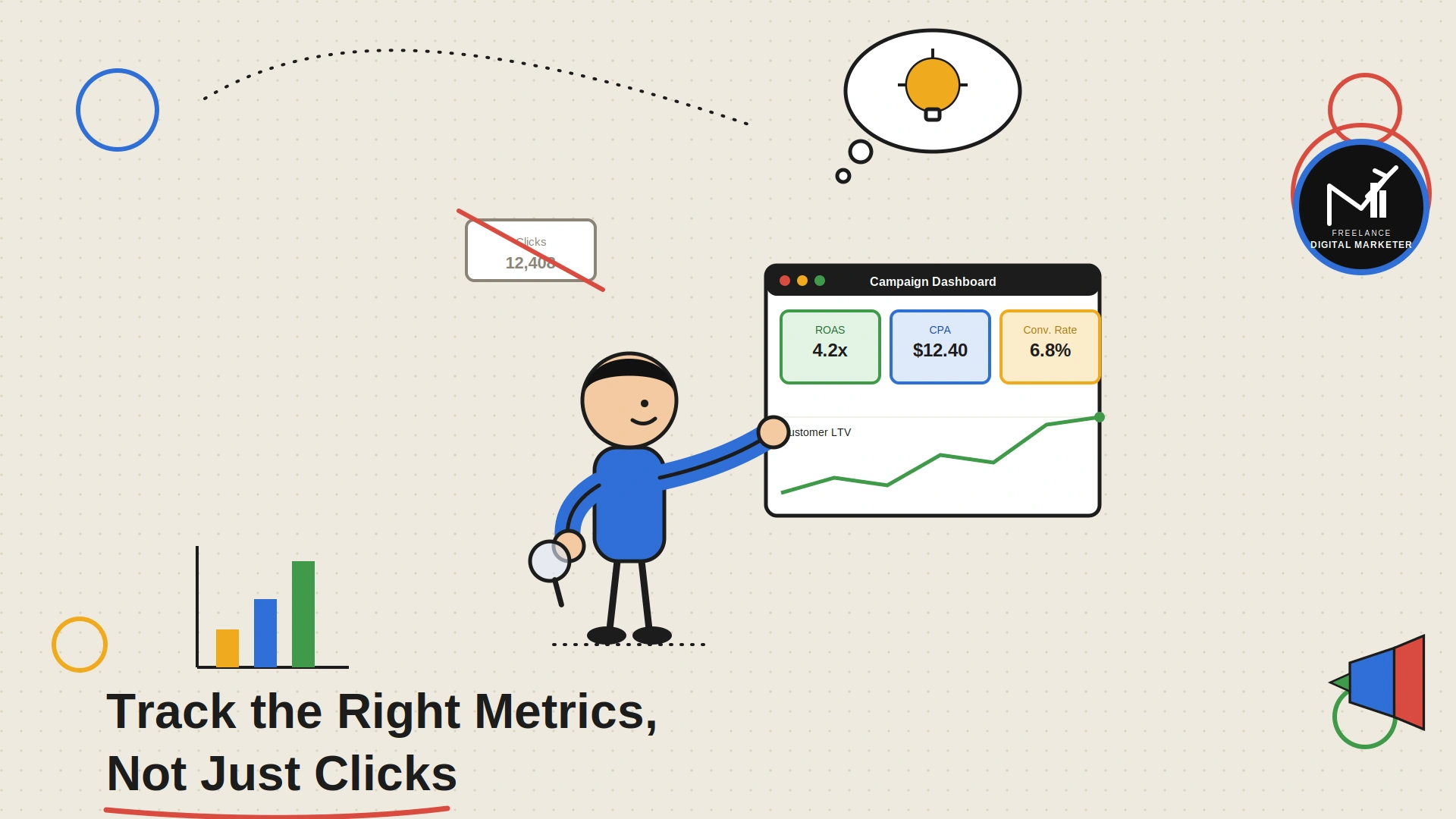
Clicks and impressions feel good but don’t pay the bills. Any advertiser serious about Google Ads strategies that actually move revenue needs to shift focus toward metrics that reflect real business outcomes. Instead, pay close attention to:
- Conversion rate
- Cost per acquisition (CPA)
- Return on ad spend (ROAS)
- Quality Score trends
These four metrics tell you far more about account health than surface-level numbers ever could. A campaign can rack up thousands of clicks and still lose money if conversion rate is low or CPA is too high relative to your margins — which is why vanity metrics alone should never guide budget decisions.
Set up proper conversion tracking through Google Tag Manager or native Google Ads conversion tags so every optimization decision is based on real data, not assumptions. Without accurate tracking in place, even the most well-researched Google Ads strategies are essentially guesswork, since bidding algorithms and manual optimizations both rely on clean conversion signals to actually work as intended.
Reviewing Quality Score trends alongside these performance metrics also helps catch issues early — a dropping Quality Score often signals ad relevance or landing page problems before they show up as rising costs. Making metric-driven review a habit, rather than an occasional check-in, is what keeps solid Google Ads strategies effective long after the initial campaign setup.
Frequently Asked Questions
1. How much budget do I need to start with Google Ads? There’s no universal number — it depends on your industry’s average cost-per-click and your goals. A good approach is to start with a modest test budget (enough for at least 15-20 clicks per day) and scale up once you see which campaigns convert profitably.
2. How long does it take to see results from Google Ads? Search campaigns can generate traffic almost immediately, but meaningful optimization usually takes 4-6 weeks as the algorithm gathers enough data and you refine keywords, ad copy, and targeting based on performance.
3. What’s the difference between Google Ads and SEO? Google Ads delivers immediate, paid visibility at the top of search results, while SEO builds organic rankings over time without a per-click cost. Most successful businesses use both together — SEO for long-term sustainable traffic and Ads for quick, targeted results.
4. Should I use Performance Max campaigns? Performance Maxcan be powerful for e-commerce and lead generation because it uses Google’s automation across all networks (Search, Display, YouTube, Gmail, Discover) from a single campaign. However, it works best when paired with solid creative assets and clean conversion tracking, since you have less granular control than traditional campaigns.
5. Why is my Quality Score low even though my ads are getting clicks? Quality Score depends on three main factors: expected click-through rate, ad relevance, and landing page experience. A high click volume doesn’t guarantee a good score if your landing page is slow, mismatched to the ad, or your keywords are too broad for the ad group.
6. Is it better to run Google Ads myself or hire an agency/freelancer? It depends on your time, budget, and comfort with data analysis. Running ads yourself works fine for small, simple campaigns, but as budgets grow and strategies become more complex (audience layering, multiple campaign types, ongoing optimization), a specialist can often recover their cost through better efficiency and higher returns.
Conclusion
Google Ads success isn’t about luck or having the biggest budget — it comes down to applying the right Google Ads strategies consistently, backed by data, over an extended period of time. From structuring tight ad groups to choosing smart bidding approaches and testing relentlessly, every tactic covered above works together to lower your costs and increase your returns.
The businesses that win with Google Ads are the ones that treat their campaigns as an evolving process, not a “set it and forget it” tool. Effective Google Ads strategies are rarely built overnight — they’re refined through ongoing observation, testing, and adjustment based on real campaign data rather than guesswork or gut feeling.
Layering your audience targeting, monitoring the metrics that actually move the needle (not just clicks), and optimizing your landing pages alongside your ads are all part of this same discipline. None of these tactics work well in isolation; it’s the combination and consistency of well-executed Google Ads strategies that compounds over time into stronger account performance and lower acquisition costs.
Start by implementing a handful of these approaches, track your results closely, and refine as new data comes in. That steady, iterative mindset — rather than chasing shortcuts or quick wins — is ultimately what separates profitable, scalable campaigns from wasted ad spend.
FOR VISITE MY WEBSITE CLICK